Maximum payload with dual batteries*
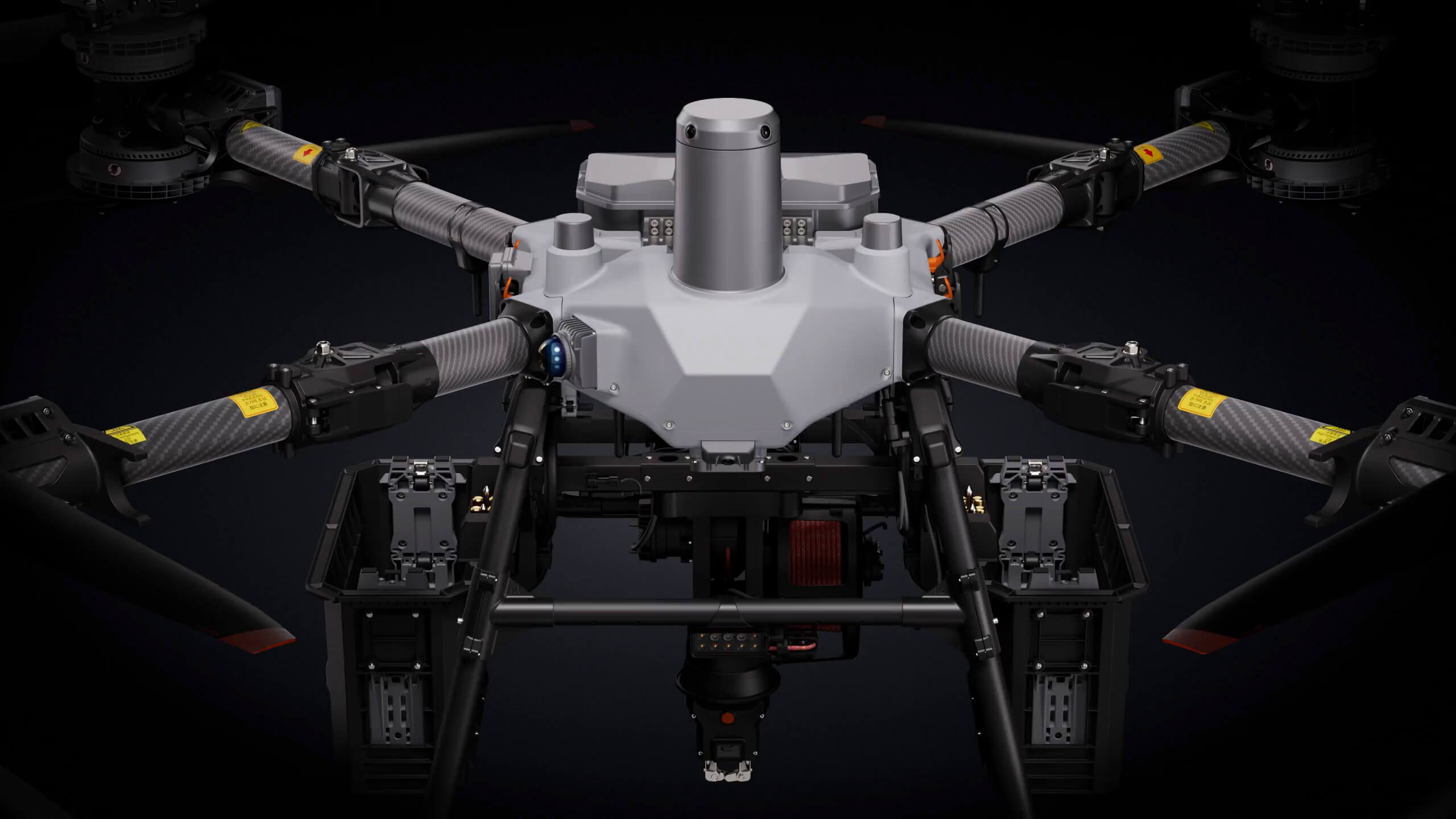
Platform
Power for the load.
Systems for the operation.
LIFTGRID's intended three-aircraft fleet is built around DJI FlyCart 100 performance and wrapped in conservative mission planning.
Published single-battery maximum; DJI states emergency use*
Published distance at 149.9 kg take-off weight*
Maximum take-off weight*
* DJI manufacturer figures under stated test conditions. They are not guaranteed commercial mission payloads.
01
CONFIGURATION
Performance is
configuration-dependent.
Battery count, payload, altitude, temperature, wind, route length and reserve policy change the usable mission envelope. LIFTGRID plans from the real conditions—not the headline maximum.
Swipe or tap arrows 01 / 04
* DJI manufacturer specifications under stated test conditions. Actual commercial missions may require lower limits.
Aircraft capability → operational awareness
Power is only useful
when the route is controlled.
The platform creates the lift. The next chapter shows how sensing, positioning and crew controls support the mission around it.Intelligent safety system
More awareness
for complex environments.
LiDAR, millimetre-wave radar, multi-camera vision and RTK positioning help the crew understand the aircraft's surroundings. LIFTGRID still controls the airspace, route, ground area and go/no-go decision.DJI FC100 PLATFORM FILM · © DJI
Dual battery
85 kgThe normal planning reference because it retains battery redundancy. The aircraft may recommend a lower loading weight for the current environment.
Single battery
100 kgDJI describes this as an emergency-use configuration. It is not presented by LIFTGRID as a routine commercial payload promise.
Three aircraft
255 kgAggregate of three separate 85 kg dual-battery manufacturer maxima—not one load. Each aircraft remains individually routed, separated and authorised, and usable payload may be lower.
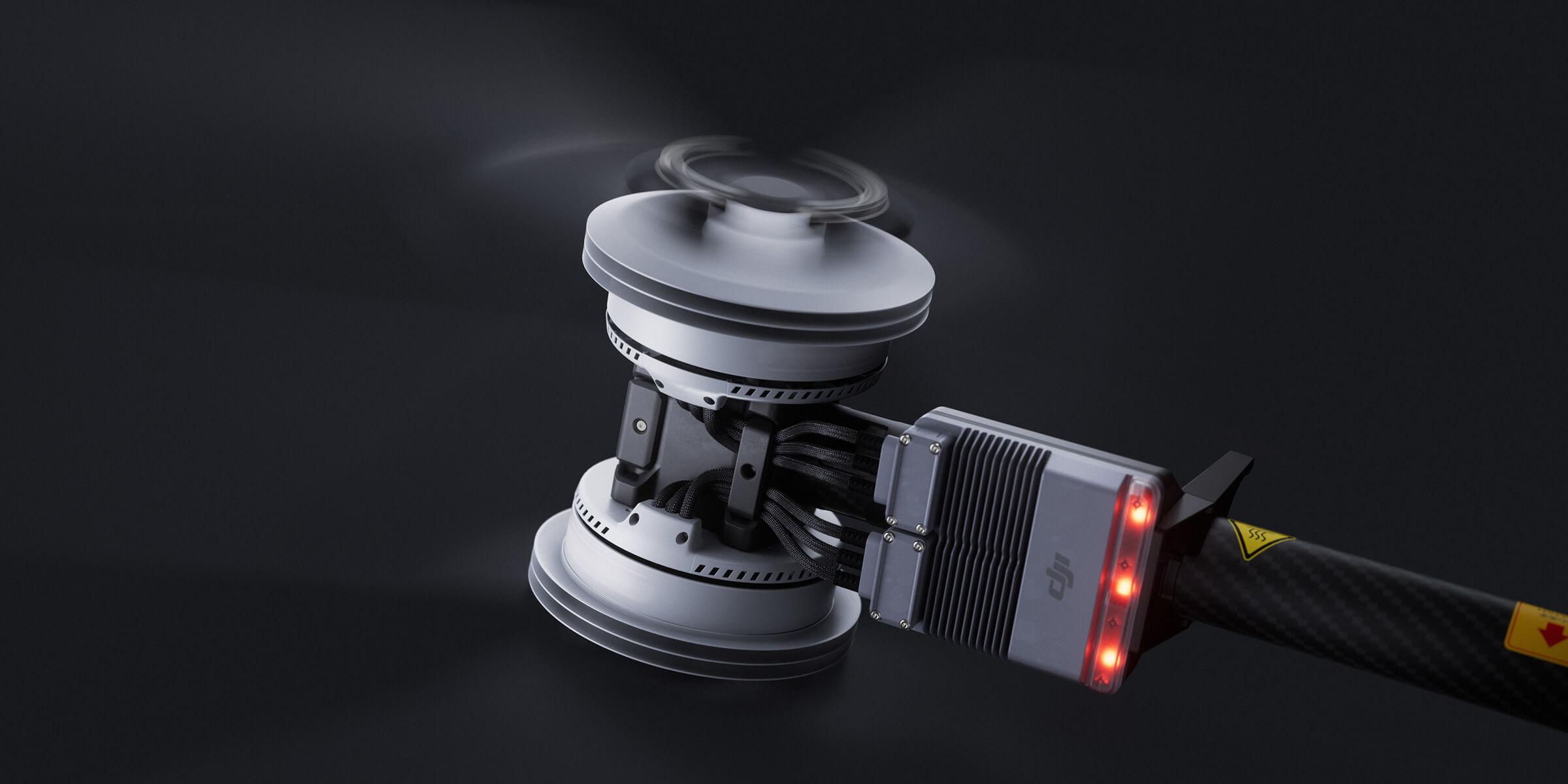
Propulsion
Coaxial
dual-rotor power.
Large carbon-fibre propellers, high-torque motors and redundant drive architecture produce the lift. Maintenance state and pre-flight inspection determine whether the aircraft is released.
02
PAYLOAD SYSTEM
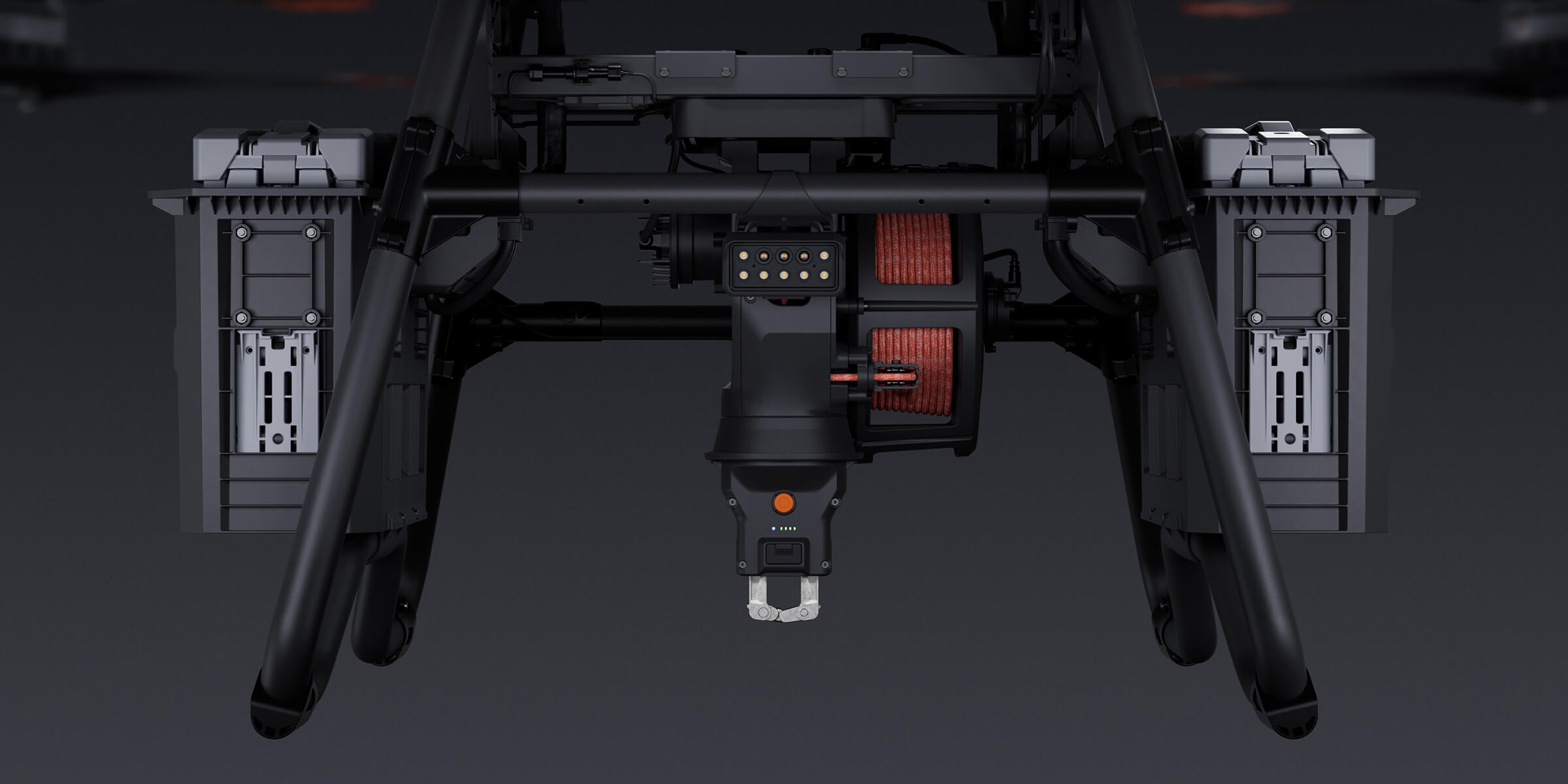
30 m flagship winch.
Automatic and manual cable control, real-time weighing, balance assistance, powered hook release, audio-visual alerts and escape functions support precise load placement.
- Measured cargo handover
- Remote electric hook
- Automated balance support
- Cable escape contingency
03
AWARENESS
LiDAR, radar and vision.
The FC100 combines LiDAR, millimetre-wave radar, a multi-camera vision system and RTK positioning. These systems support detection and positioning; they do not remove the operator's duty to control the route and ground area.
View the manufacturer page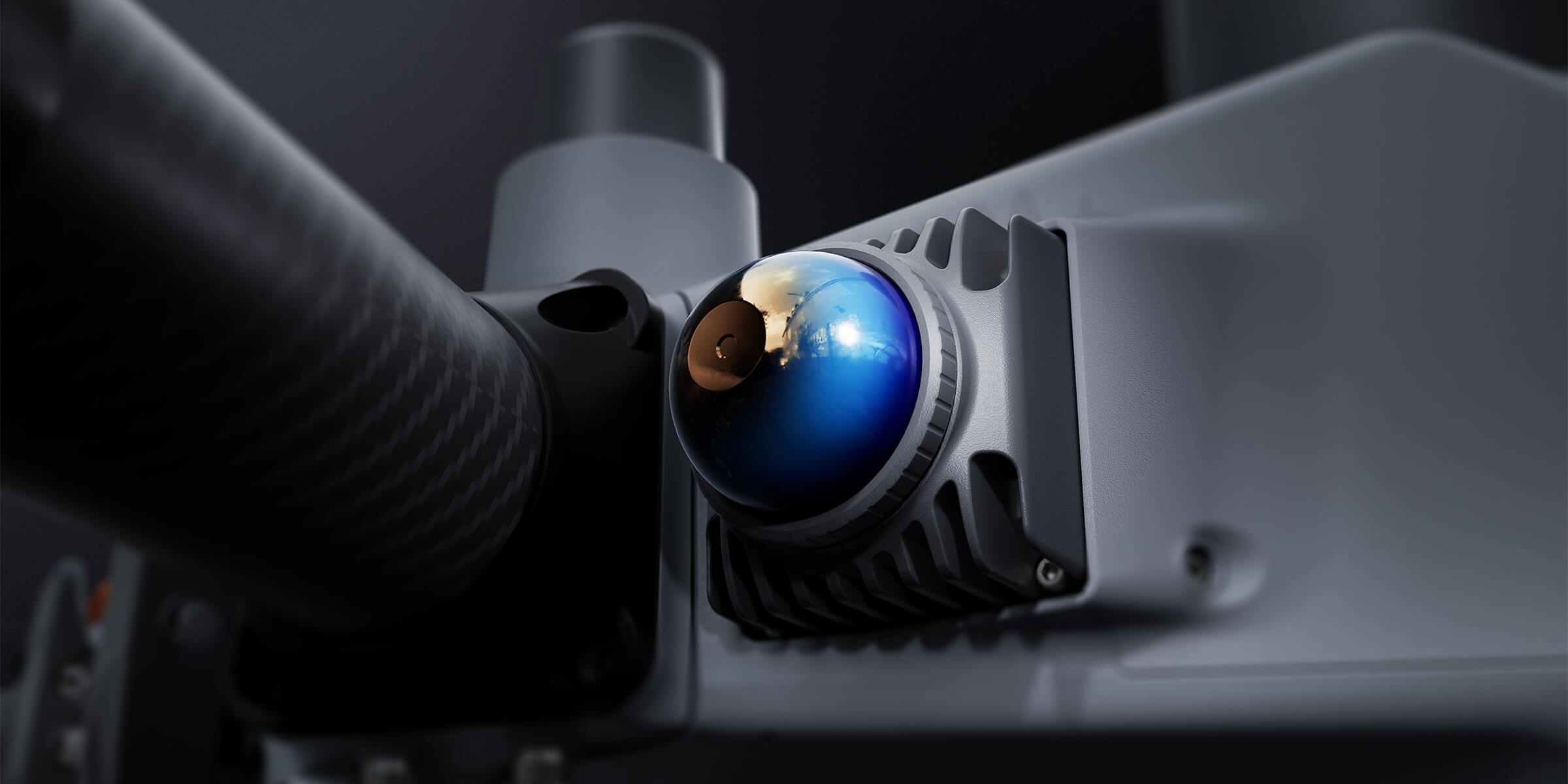
04
OPERATING LIMITS
Published capability.
Mission-specific permission.
IP55 and a stated 12 m/s take-off and landing wind resistance are inputs—not a reason to fly.
PayloadReduced for distance, height, weather and reserve.
WeatherWind, precipitation, temperature and visibility limits.
TerrainObstacles, landing areas, containment and recovery access.
PermissionThe approved concept of operations controls the mission.
Match the aircraft to the route.
LIFTGRID will calculate the usable configuration for the actual site.
Discuss a payload